
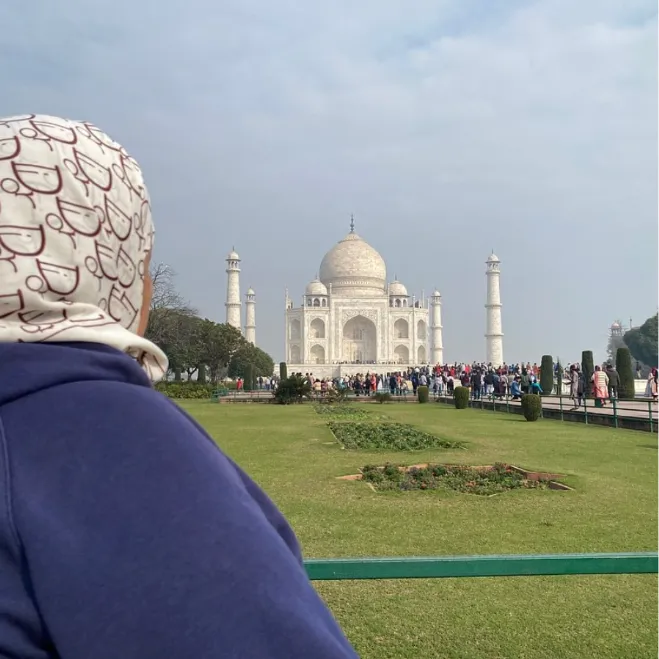
When exploring the history of global architecture, we often evaluate ancient buildings solely by what
is visible above ground. In the case of the Taj Mahal, however, the most revolutionary engineering
feat is entirely invisible.
While the world marvels at the pristine white domes and floral walls, structural engineers focus on
the mud, water, and timber deep beneath the monument. Built on the treacherous, shifting banks of
the Yamuna River in the 1630s, the massive weight of the stone structures should have sunk into the
silt centuries ago. Instead, it remains perfectly level, relying on an unconventional foundation system
that actively relies on the river to survive.
The Underwater Forest
To support thousands of tons of heavy Makrana marble, the Mughal architects invented a unique
subterranean infrastructure.
Instead of relying on standard stone footings, they dug deep, massive vertical shafts down to the
hard bedrock layer well below the riverbed. Laborers lined these shafts with a framework of thick
ebony and sal wood timber, then packed them tightly with rubble, iron mortar, and mortar paste.
This created a series of dense, shock-absorbing masonry wells. What makes this design
counterintuitive is the nature of the wood chosen:
• Hydraulic Strength: Standard wood rots when exposed to water, but ebony and sal require
consistent moisture to retain their structural flexibility and toughness. If the wood dries out,
it becomes brittle and cracks under pressure.
• The River as a Lifeline: The proximity of the Yamuna River is not just an aesthetic choice to
create pretty reflections. The river actively feeds moisture into the soil, keeping the
underground wooden pilings hydrated, expanded, and strong enough to support the
immense weight above.
Decoupling the Sacred from the Mundane
Mughal architecture is deeply rooted in spatial hierarchy, using specific materials to create visual
boundaries between the earthly world and the spiritual realm.
The main entrance courtyard (Jilaukhana) and the surrounding marketplace structures are
constructed from deep red sandstone. As you cross the threshold toward the main mausoleum, the
color scheme completely shifts to pure white marble.
This color-coding was not just for dramatic contrast. Historically, the red sandstone represented the
physical, imperial power of the ruling warrior class, while the gleaming white marble was reserved
for sacred spaces, symbolizing the peaceful, pristine nature of paradise on earth.
+——————–+———————–+————————+
| Zone of Complex | Dominant Material | Symbolic Meaning |
+——————–+———————–+————————+
| Outer Courtyard | Red Sandstone | Earthly, Imperial Power|
| Mosque & Side Halls| Red with White Inlay | Spiritual Transition |
| Central Mausoleum | Pure White Marble | Divine Paradise, Peace |
+——————–+———————–+————————+
Navigating the Grand Design
Because the complex is a sprawling, 42-acre triumph of geometric planning, rushing your visit means
missing the subtle transitions built into the landscape. The layout imitates the classic Charbagh (four-
quadrant garden) design, meant to mirror the rivers of milk, water, wine, and honey promised in the
celestial afterlife.
To truly absorb the scale of this design without being rushed by mid-day tour buses or melting in the
intense afternoon heat, preparation is everything. Planning a seamless transit experience from
India’s capital is the best way to preserve your energy for exploring the grounds.
Choosing a Sunrise Taj Mahal Tour from Delhi gets you to the complex before the sun can bake the
marble walkways, offering a calm window to walk the central water channels while the morning light
is soft and golden.
For those traveling with family or seeking an elevated, stress-free immersion, a dedicated Taj Mahal
Luxury Tour From Delhi upgrades the experience with private, air-conditioned transport along the
modern expressways, skip-the-line ticketing, and a personal guide who can show you how the
geometric grids align flawlessly across the entire horizon.
The Secret of the True Graves:
The highly decorated tombs you see inside the main octagonal chamber are actually empty
cenotaphs meant for public viewing. Following strict traditions that discourage ostentatious displays
over resting places, the actual remains of Shah Jahan and Mumtaz Mahal lie in a quiet, completely
unadorned stone vault directly beneath the main floor at garden level.
True architectural genius does not just build for the eyes; it builds for the environment. The Taj
Mahal survives four centuries of weathering and seismic shifts precisely because its builders knew
how to convert the challenges of a muddy riverbank into the very anchor keeping the monument
alive.