
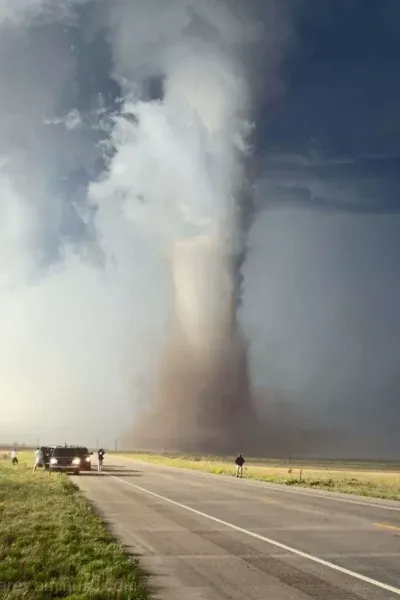
Storm chasing involves more than standing beside a supercell or photographing lightning across an open field. Much of the experience happens inside the chase vehicle as the team travels between hotels, forecast targets and observation points across the Great Plains.
The approved title refers to 200-to-600-mile chase days. However, the operator’s official FAQ states that its tours typically cover around 200 to 400 miles per day. Guests may also spend an average of six to eight hours in vans or SUVs. Preparing for that level of travel can make every chase day more comfortable.
Dress for Changing Conditions
Weather across Tornado Alley can change quickly. A warm afternoon may be followed by cooler air near a storm, strong wind or rain.
Layered clothing allows guests to adjust without carrying bulky outfits. Comfortable trousers, a breathable shirt, a light sweater and a waterproof outer layer are practical choices.
Supportive shoes are equally important. Observation points may involve wet grass, gravel, mud or uneven roadside ground. Footwear should provide grip and remain comfortable during repeated entries and exits from the vehicle.
Keep a Small Day Bag Accessible
Large suitcases are stored separately, so frequently used items should remain in a compact day bag. It should be easy to carry and small enough to avoid blocking the aisle.
Useful items include:
-
Essential medication and identification
-
A refillable water bottle
-
A portable phone charger
-
Sunglasses and sunscreen
-
A light waterproof jacket
-
Camera batteries and memory cards
-
A few practical road snacks
Loose belongings should be secured before the vehicle moves. The team may need to reposition quickly, and an organized passenger area helps everyone return to the road without delays.
Use Breaks Wisely
A chase day does not follow fixed meal or restroom times. The group may stop when weather conditions allow, then continue traveling when storms begin developing.
Guests should use restrooms whenever a suitable stop is available. They should refill water, buy food and stretch during approved breaks.
Hydration matters, but the FAQ advises guests to manage fluid intake sensibly because restrooms can become limited once active chasing begins.
Expect Waiting as Well as Driving
Driving and waiting are two major parts of a storm chase day. The team may reach the target region before storms form and spend time monitoring the atmosphere.
When possible, guides choose waiting locations with food, drinks and restrooms. Some targets, however, may be in remote areas with fewer facilities.
Guests can use quieter periods to organize equipment or listen to forecast updates. Waiting is not wasted time when arriving early gives the team better road choices and clearer positioning.
Travel Light With Camera Equipment
Photographers should carry only equipment they can pack quickly. Large cases, heavy tripods and unnecessary accessories can become difficult to manage during repeated stops.
A wide-angle lens is useful for full storm structures, while a moderate telephoto lens can capture distant details. Spare batteries, memory cards and rain protection are usually more important than carrying every available lens.
The FAQ notes that tripods may not always be permitted because they take time to set up and pack away. A monopod or lightweight tripod may be more practical when mobility matters.
Take Advantage of the Vehicle Setup
The company limits each van to six guests, although its passenger vans were built for more people. This creates extra luggage space, an open aisle and a guaranteed window seat for every participant.
A window view lets guests watch cloud towers, changing light and the landscape throughout the journey.
Tour 6 as a Practical Example
Tour 6 begins with arrival in Wichita on June 12, 2027, followed by six chase days from June 13 through June 18. Its route may extend from traditional chasing areas near Oklahoma into Nebraska and beyond as the season shifts northward.
The package includes transportation, fuel, five hotel nights during the active chase, forecast experts, guides and drivers, weather briefings and a guaranteed window seat. These inclusions allow guests to focus on comfort and observation rather than managing long-distance driving.
Conclusion
Staying comfortable during long 2027 chase days depends on practical preparation and realistic expectations. Guests should be ready for typical travel of around 200 to 400 miles per day, six to eight hours in the vehicle, flexible meal times and periods of waiting.
Layered clothing, supportive footwear, a compact day bag and manageable camera equipment can make the journey easier. Using breaks wisely and following guide instructions also helps the group move efficiently.
With professional drivers, spacious vehicles and guaranteed window seating, travelers can experience the Plains while the tour team handles the demanding road logistics.